
What is Luo Han Guo
What is Luo Han Guo
Oleh Dr Lee · 15 Ogo 2025 · 5 minit bacaan
What is Luo Han Guo.
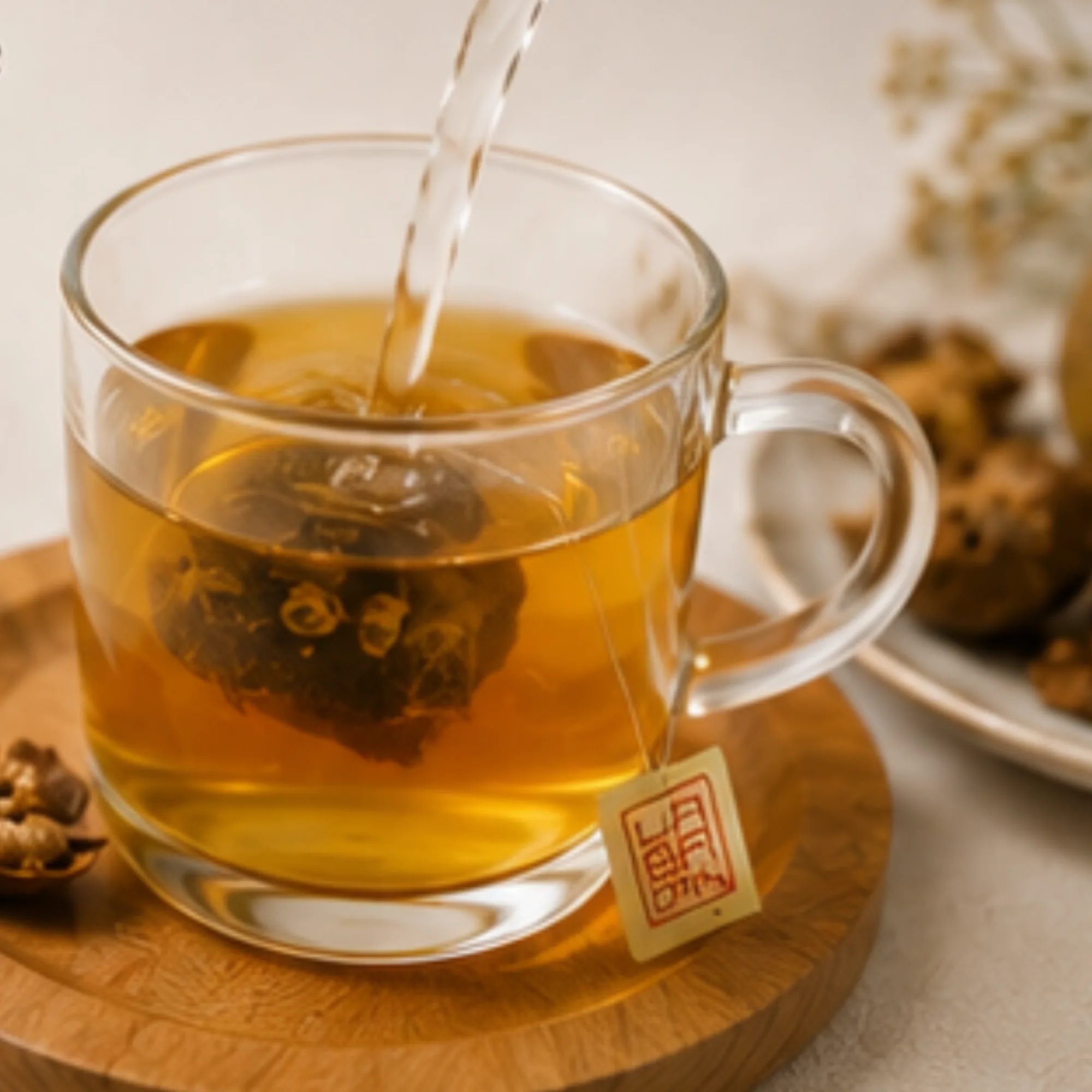
Luo Han Guo..
Objectives Conventional treatment for throat complications after surgery involves the use of hormone therapy, which has variable effects. This study was performed to investigate the effects of oral administration of Luo Han Guo decoction for throat complications after tracheal intubation during general anesthesia for laparoscopic radical hysterectomy.
Methods Beginning at 6 h after surgery, patients in the experimental group were administered 30 mL of a Luo Han Guo decoction; the control group received black tea. Patients in both groups were evaluated using a Visual Analogue Scale for the degree of throat soreness at 2, 12, 24, and 48 h after surgery; coughing and expectoration were evaluated at 48 h after surgery.
Results This study included 203 patients: 102 in the experimental group and 101 in the control group. Compared with controls, the experimental group had significantly lower evaluation scores at 12, 24, and 48 hours postoperatively. Moreover, at 48 hours postoperatively, coughing and expectoration were significantly reduced in the experimental group, compared with in the control group.
Conclusions Administration of a Luo Han Guo decoction can effectively reduce throat pain, hoarseness, throat swelling, cough, and sputum after tracheal intubation during general anesthesia.
Keywords: Tracheal intubation, throat complications, Luo Han Guo, nursing care, hoarseness, cough, sputum, pain measurement, laparoscopy, general anesthesia
Introduction Tracheal intubation is one of the most widely used methods to deliver anesthesia. However, tracheal intubation is an invasive procedure.1 Intubation of the tracheal tube can damage the vocal cords, tracheal mucosa, and inflatable cuff of the trachea, leading to respiratory tract mucosal congestion and edema; some patients emerge with a sore throat and/or hoarseness.2 Previous studies of tracheal intubation have shown that a sore throat can occur in 40% to 60% of patients,3 while hoarseness occurs in 50.1% to 100% of patients.4 Such complications affect patient satisfaction with surgery and postoperative rehabilitation; they may intermittently carry a risk of mortality.5 Many treatments have been applied,6–8 but there remains a lack of a simple and safe approach for effective prevention of these complications, as well as alleviation of clinical symptoms.
Luo Han Guo is a medicinal herb, also known as “Oriental God Fruit,” that is commonly used in Traditional Chinese Medicine to moisten the lungs, clear away heat, and relieve coughing. It is also used to treat diabetes, bronchitis, tonsillitis, pharyngitis, acute gastritis and asthma.9 It may also be used as a beverage and seasoning.10,11
The present study aimed to observe the effect of orally administered Luo Han Guo decoction in patients with throat pain after general anesthesia for tracheal intubation. We hypothesized that Luo Han Guo decoction may provide a safe and effective method to reduce throat complications, and that this study could provide a theoretical basis for clinical treatment and nursing of such patients to improve their postoperative comfort.
Methods Data collection and ethical approval This randomized controlled study was approved by the Medical Ethics Committee of the Guigang City People’s Hospital and registered in the Chinese Clinical Trial Register (registration no. ChiCTR-INR-17012203; URL: http://www.chictr.org.cn/enindex.aspx). The study complied with the CONSORT guidelines. Patients provided written informed consent prior to enrollment in the study. From January 2017 to May 2018, our hospital’s gynecology unit identified patients with cervical cancer who were scheduled to receive tracheal intubations during general anesthesia for laparoscopic radical hysterectomy. The criteria for inclusion in the present study were as follows: 1) oral tracheal intubation for anesthesia delivery within 10 minutes, for completion of a one-time operation; 2) intraoperative tracheal intubation of a throat structure with a Cormack–Lehane grade of I–II;12 3) general anesthesia intubation duration for 4 hours; 4) postoperative anesthesia recovery period; 5) “Steward score” after surgery of ≥4 points;13 6) recovery of the swallowing reflex; 7) tracheal tube removal; 8) preoperative use of expectorant drugs (both oral and inhalation); 9) postoperative anti-inflammatory treatment using a cefuroxime sodium injection; 10) use of sufentanil injection (1 µg/kg/day) for postoperative analgesia. The exclusion criteria were as follows: 1) presence of a throat disorder; 2) presence of cardiovascular and cerebrovascular complications; respiratory insufficiency; liver, kidney, or immune system complications; severe infection; severe anemia; or other serious complications; 3) drug use for allergy or intolerance; 4) intubation complicated by a respiratory tract infection; 5) incomplete intubation; 6) intubation difficulty due to soft throat tissue abnormalities; 7) multiple intubations; 8) a history of steroid use; 9) presence of a postoperative indwelling gastric tube; 10) diagnosis of diabetes; 11) history of frequent vomiting; 12) presence of pregnancy or possible pregnancy. The suspension criteria were as follows: 1) noncompliance with the research protocol; 2) development of exclusionary conditions during the course of the study; and 3) patient request for termination.
Study design and grouping The study was performed in a double-blind manner. The decoction of Luo Han Guo in the experimental group and the black tea in the control group were prepared uniformly by nurses who did not participate in the clinical trial; the appearance and color of the oral agents in the two groups were thus confirmed to be consistent and the dosages were unified. Medical staff who participated in the clinical study did not know the composition of the oral agents received by the patients throughout the study; they only were able to access the number of the drug in the enrollment record. After all observations in this study were completed, a third party received the unblinded data in June 2018, and the relevant data were subjected to statistical analysis.
Methods of monitoring and medication Patients returned to the ward after surgery and were placed in a supine position at an angle of 30 degrees for 4 hours. Patients received continuous oxygen at 2 to 3 L/min. Heart rate, blood pressure, and pulse oximetry were continuously monitored using the PM9000 multi-parameter monitoring system (Mindray, Shenzhen, China). Postoperative care included anti-inflammatory treatment (intravenous injection of 0.9% normal saline and 100 mL of 0.5 g cefuroxime sodium, twice per day) and fasting for 6 hours posto